
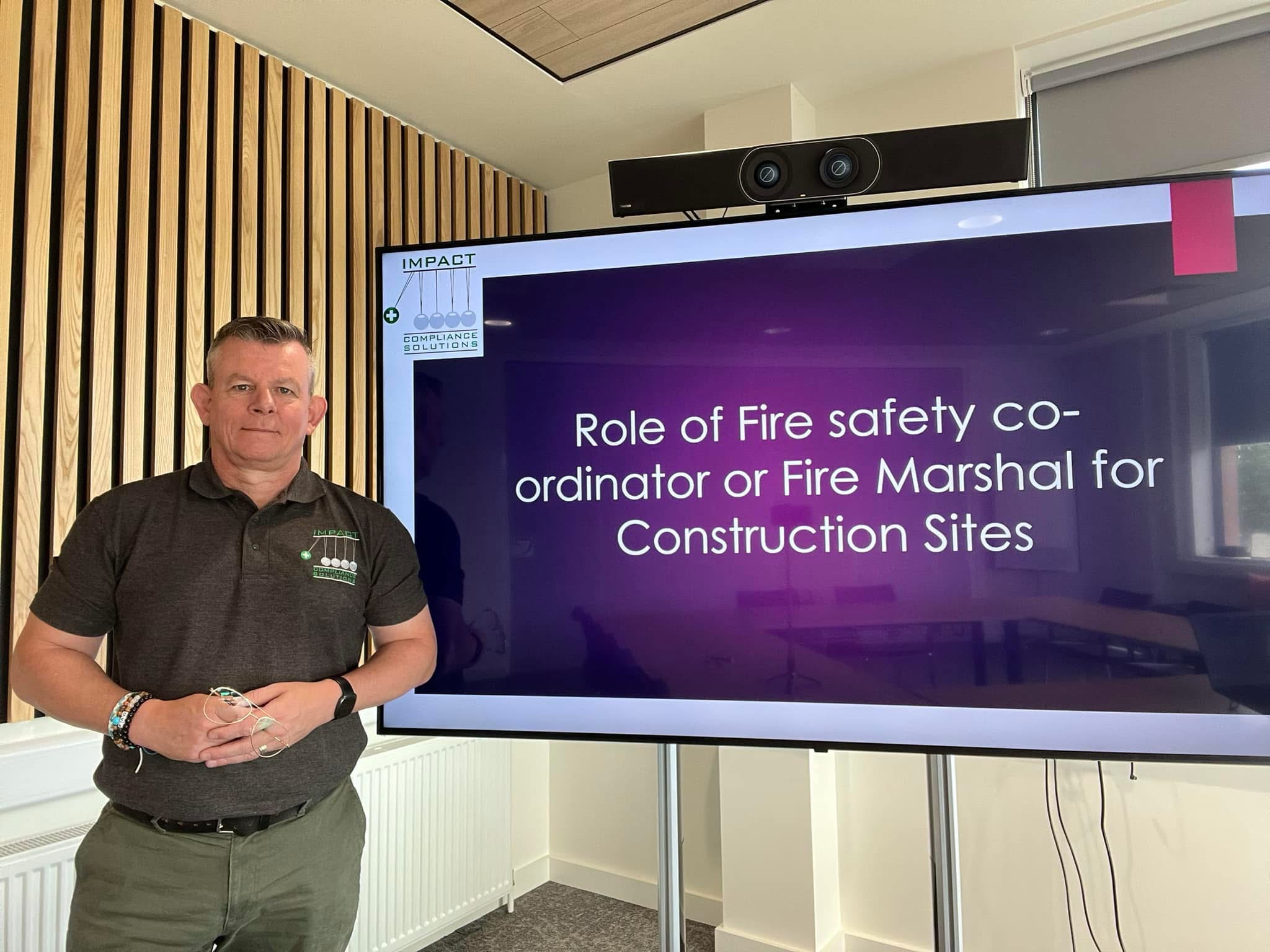

UK Fire Marshal Training: What You Need to Know
Fire safety in the workplace isn’t just a legal requirement: it’s a critical responsibility that can mean the difference between life and death. For construction supervisors, business owners, and safety managers across the UK, understanding Fire Marshal training is essential for maintaining a safe working environment and staying compliant with regulations.
What Is Fire Marshal Training?
Fire Marshal training is a comprehensive course designed to equip designated employees with the knowledge and skills needed to manage fire safety in their workplace. This isn’t just about knowing where the fire extinguisher is located: it’s about understanding fire behaviour, conducting risk assessments, and taking leadership during emergency situations.
Training covers both theory and practical skills, ensuring Fire Marshals can effectively fulfil their role as the first line of defence against fire hazards. In the construction industry, where fire risks can be high due to hot work, flammable materials, and changing site conditions, having properly trained Fire Marshals is crucial.
Who Needs Fire Marshal Training?
Under the Regulatory Reform (Fire Safety) Order 2005, employers must designate responsible persons for fire safety. Fire Marshal training is a legal requirement for those employees. On construction sites, Fire Marshals are typically:
- Site supervisors and foremen
- Health and safety representatives
- Senior operatives with leadership responsibilities
- Office-based staff in site cabins or main offices
No formal qualification is needed—just be at least 16 years old. Employers must fund the training, including travel if it’s off-site.
Key Duties and Responsibilities
Daily Fire Safety Tasks:
- Regularly inspect designated areas for fire risks
- Keep fire exits/escape routes clear
- Check that firefighting equipment is in place/working
- Monitor hot work and permit use
- Report hazards to management
Emergency Response:
- Lead during fire evacuations
- Conduct headcounts
- Liaise with emergency services
- Decide on safe use of fire fighting equipment
- Ensure safe evacuation of all personnel
Ongoing Compliance:
- Assist fire risk assessments
- Help develop/update emergency plans
- Take part in fire drills and maintain safety documentation
What Does Fire Marshal Training Cover?
Typical courses last around 3 hours. Training includes:
- Fire science/behaviour
- UK legal framework
- Risk assessments and controls
- Emergency/evacuation procedures
- Equipment training (using various extinguishers)
- Scenario-based/practical exercises
Why Is This So Important in Construction?
Construction sites are high-risk: welding, hot works, flammables, and constantly changing layouts all increase fire danger. Multiple contractors mean Fire Marshals must coordinate across teams. Regulator inspections are common, so proper training demonstrates compliance and due diligence.
Certification & Ongoing Requirements
After training, you get a certificate (usually valid 3 years). Best practice is annual refresher training. In high-risk or busy sites, annual updates may be required.
Choosing the Right Provider
Look for:
- Accredited courses (e.g., IFE, recognised bodies)
- Construction-specific content
- Practical/hands-on training
- Flexible onsite delivery if possible
- Support with refresher updates
Tips for Effective Fire Marshal Training
- Make it relevant: tailor to site-specific risks
- Practice: run regular drills
- Keep detailed records (completion and exercises)
- Highlight Fire Marshal roles during site inductions
- Regularly review and update fire plans
Common Training Mistakes to Avoid
- One size fits all—sites and duties differ!
- Skipping refreshers
- Not enough hands-on practice
- Poor communication—ensure Marshals have clear authority and everyone knows who they are
Legal Compliance & Best Practices
Employers must:
- Provide and fund training (plus travel)
- Maintain records
- Ensure enough Fire Marshals for the risk/size of site
- Keep skills updated
Best practice:
- Appoint people with clear leadership skills
- Offer extra training for high-risk areas
- Integrate fire safety into general site management
Making Fire Marshal Training Work for Your Business
Fire Marshal training isn’t a tick-box exercise—it keeps people safe, protects your business, and meets legal duties. Practical, industry-relevant training by professionals makes all the difference, so marshals are confident, capable, and genuinely add safety value.
Fire Marshals are your first line of defence. Well-trained staff protect lives, keep your site compliant, and help your company avoid costly incidents and penalties.