
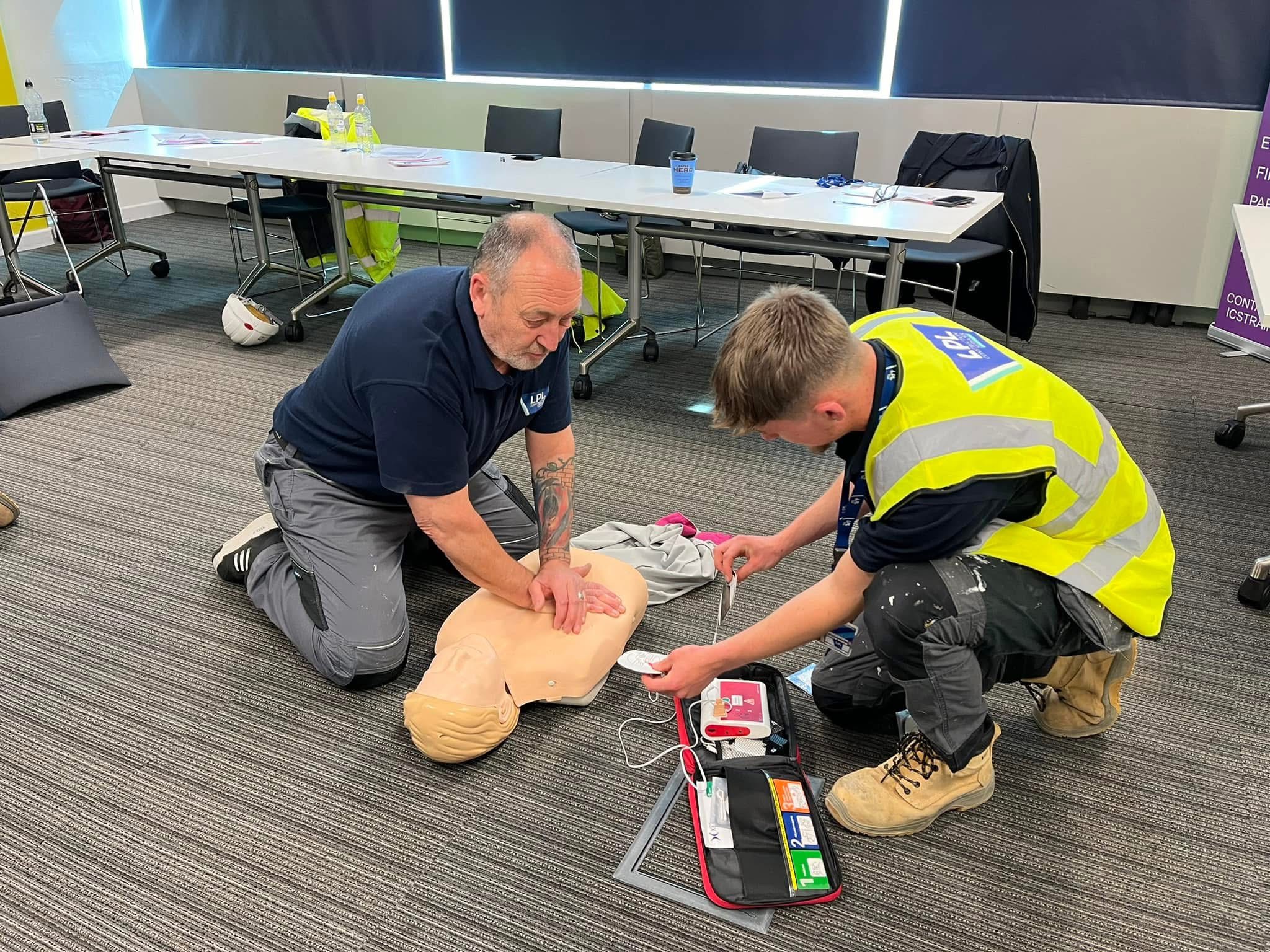
The Importance of Having First Aiders at Work
In today’s fast-paced work environment, workplace safety extends far beyond hard hats and safety signs. Having trained first aiders on-site represents one of the most critical investments any organisation can make in employee welfare and operational continuity. When seconds count in an emergency, the difference between life and death—or minor injury and permanent disability—often lies in the immediate response provided by a trained first aider.
The Legal Foundation: More Than Just Good Practice
First aid provision isn’t simply a matter of good corporate citizenship; it’s a legal requirement under health and safety legislation. The Health and Safety at Work Act 1974 and subsequent regulations mandate that employers must provide adequate first aid facilities, equipment, and personnel appropriate to their workplace circumstances.
The specific requirements vary depending on workplace size, nature of work, and associated risks, but the underlying principle remains constant: employers have a duty of care to ensure immediate medical assistance is available when needed. Failure to meet these obligations can result in prosecution, substantial fines, and reputational damage that far exceeds the cost of proper first aid provision.
For many businesses, this legal framework serves as the initial catalyst for implementing first aid programmes. However, organisations that approach first aid training purely from a compliance perspective often miss the broader strategic benefits that trained first aiders bring to their operations.
The primary justification for workplace first aiders lies in their ability to save lives during medical emergencies. Cardiac events, severe injuries, and sudden illness can occur in any workplace, regardless of industry or perceived risk levels. Professional emergency services, whilst highly skilled, face inevitable delays in reaching incident scenes, particularly in remote locations or during peak demand periods.
Trained first aiders bridge this critical gap, providing immediate intervention that can stabilise patients and prevent deterioration before professional medical assistance arrives. In cardiac arrest situations, this intervention becomes particularly crucial: survival rates drop by approximately 10% for every minute that passes without defibrillation or CPR. Workplace first aiders equipped with automated external defibrillators (AEDs) can dramatically improve survival outcomes for colleagues experiencing cardiac events.
Beyond cardiac emergencies, first aiders provide essential interventions for severe bleeding, fractures, burns, and other traumatic injuries. Proper wound management, splinting, and patient positioning can prevent complications that might otherwise result in permanent disability or extended recovery periods.
Reducing Injury Severity and Recovery Times
First aid intervention often determines whether a workplace incident results in a minor inconvenience or a major disruption to both employee and business. Prompt, appropriate treatment can significantly reduce injury severity, minimising long-term consequences and accelerating return-to-work timelines.
Consider a workplace laceration that receives immediate proper cleaning, wound assessment, and appropriate dressing versus one that’s inadequately managed whilst awaiting professional medical attention. The latter scenario increases infection risk, may require more extensive treatment, and could result in complications that extend absence from work by weeks or months.
Similarly, proper initial management of sprains, strains, and minor fractures can prevent secondary injuries and reduce inflammation, facilitating faster healing and shorter recovery periods. This translates directly into reduced workers’ compensation costs, decreased sick leave expenditure, and maintained productivity levels.
Creating a Safety-Conscious Culture
The presence of trained first aiders contributes to broader workplace safety culture in ways that extend far beyond emergency response. First aid training inherently increases awareness of potential hazards, risk factors, and prevention strategies. Employees who understand injury mechanisms and consequences become more conscious of workplace dangers and more likely to adopt safe working practices.
This cultural shift creates a positive feedback loop where increased safety awareness leads to fewer incidents, which in turn reinforces the value of safety initiatives. Workplaces with active first aid programmes often report improvements in overall safety performance, including reductions in near-miss incidents and minor injuries that might otherwise escalate into more serious events.
First aiders also serve as safety ambassadors, promoting risk awareness and safe practices through their enhanced understanding of injury prevention and management. Their visible presence reminds colleagues that safety is a priority and that help is readily available if needed.
Employee Confidence and Workplace Morale
The psychological impact of having trained first aiders on-site extends throughout the workforce, creating an environment where employees feel valued and protected. This confidence boost manifests in multiple ways: reduced anxiety about workplace risks, increased willingness to engage in necessary but potentially hazardous tasks, and enhanced overall job satisfaction.
Employees working in environments with visible first aid provision report feeling more secure and confident in their daily activities. This psychological security can improve performance, reduce stress-related absences, and contribute to higher retention rates—particularly important in industries where skilled workers are difficult to replace.
The presence of first aiders also demonstrates employer commitment to employee welfare, strengthening the psychological contract between organisation and workforce. This visible investment in employee safety often correlates with improved employee engagement and loyalty.
Financial Benefits: The Business Case for First Aid
While the moral imperative for workplace first aid is clear, the financial benefits provide compelling additional justification for comprehensive first aid programmes. Direct cost savings include reduced workers’ compensation premiums, lower medical treatment costs through prompt intervention, and decreased legal liability exposure.
Indirect savings often prove even more significant. Reduced absence rates maintain productivity levels and prevent disruption to project timelines. Faster return-to-work outcomes minimise temporary staffing costs and avoid the productivity losses associated with inexperienced replacement workers.
Insurance providers increasingly recognise the risk-reduction value of comprehensive first aid programmes, with many offering premium discounts for organisations demonstrating robust emergency response capabilities. These savings can substantially offset training and equipment costs over time.
Beyond the Workplace: Community Impact
First aid skills acquired through workplace training extend benefits far beyond organisational boundaries. Trained first aiders carry their skills into their communities, homes, and social environments, potentially saving lives in situations completely unrelated to work activities.
This community benefit creates positive associations with employer-provided training, enhancing employee satisfaction and demonstrating corporate social responsibility. Many organisations find that highlighting the broader community impact of workplace first aid training strengthens employee engagement with safety initiatives and reinforces the value proposition of such programmes.
Implementation Considerations
Effective workplace first aid provision requires careful planning and ongoing commitment. Key considerations include appropriate first aider-to-employee ratios, coverage for all working hours and shifts, strategic positioning of first aid equipment and trained personnel, and regular training updates to maintain competency levels.
The selection of first aiders should consider personality traits alongside technical competency: effective first aiders require calm temperament, clear communication skills, and the ability to take charge in emergencies. Regular refresher training ensures skills remain current and confident application in high-stress scenarios.
Equipment provision must match workplace-specific risks while meeting regulatory requirements. Regular audits ensure supplies remain current, accessible, and appropriate for identified hazards.
Building Resilient Organisations
In an era of increasing focus on business resilience and continuity planning, workplace first aiders represent a critical component of organisational preparedness. Their ability to respond effectively to medical emergencies ensures that unexpected incidents don’t escalate into major operational disruptions.
This resilience extends beyond medical emergencies to encompass broader crisis management capabilities. First aiders often develop leadership skills and crisis management experience that proves valuable in various emergency scenarios, contributing to overall organisational adaptability and strength.
The investment in workplace first aid training represents far more than regulatory compliance: it’s an investment in employee welfare, operational continuity, and organisational culture that pays dividends across multiple dimensions of business performance. In a competitive marketplace where talent retention and employee engagement are increasingly critical success factors, comprehensive first aid provision offers a tangible demonstration of employer commitment to workforce welfare that resonates throughout the organisation and beyond.