
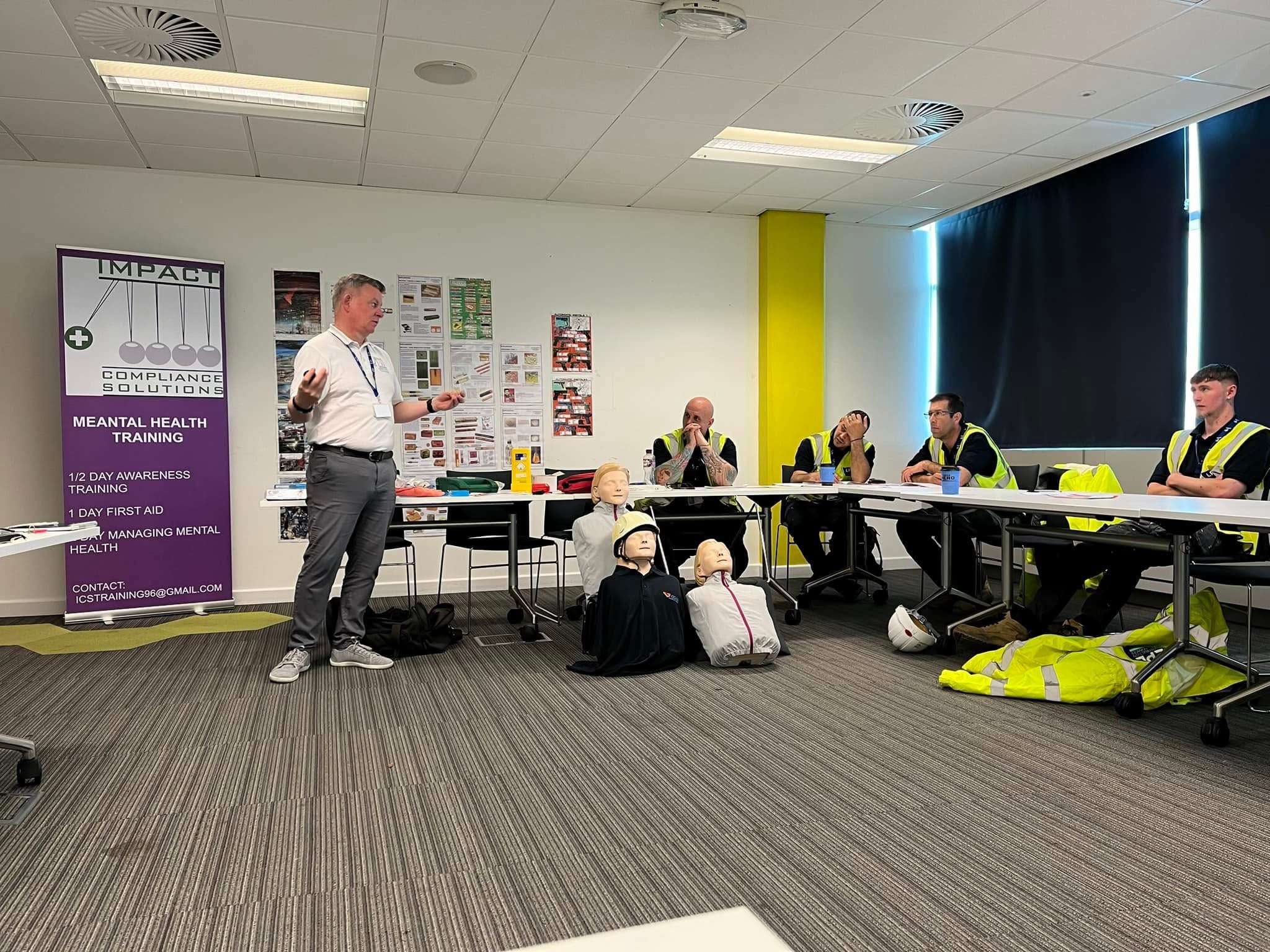


How to Choose the Best Health and Safety Training for Your Construction Team (Compared: CITB vs Private Providers)
Choosing the right health and safety training for your construction team can feel overwhelming. With CITB courses on one hand and private providers on the other, how do you know which option will give your workers the best training while keeping you compliant and within budget?
As someone who’s worked with construction teams across the UK, I’ve seen the impact that good training can have – and unfortunately, the consequences when training falls short. The choice between CITB and private providers isn’t just about cost; it’s about finding the approach that actually keeps your workers safe and your business protected.
Let me walk you through the key differences so you can make an informed decision that works for your team.
Understanding Your Options: CITB vs Private Providers
The Construction Industry Training Board (CITB) has been the gold standard for construction training in the UK for decades. They develop industry standards, fund training initiatives, and provide accredited courses that are widely recognised across the construction sector.
Private providers, on the other hand, offer training services independently. Many are accredited by various bodies and can deliver CITB-approved courses, while others focus on bespoke training solutions tailored to specific company needs.
Both options can provide excellent workplace health and safety training, but they take different approaches and offer different benefits.
Course Content and Quality: What You Actually Get
CITB Training Content
CITB courses follow standardised curricula developed specifically for the construction industry. When you book SMSTS, SSSTS, or any other CITB qualification, you know exactly what content will be covered because it’s the same across all approved providers.
The content is regularly updated to reflect changes in legislation and industry best practices. For example, CITB incorporated new CDM regulations updates across their course portfolio, ensuring all participants receive current information.
CITB training tends to be comprehensive and regulatory-focused. You’ll get thorough coverage of legal requirements, industry standards, and proven safety management approaches that have been tested across thousands of construction sites.
Private Provider Content
Private providers offer more flexibility in course content. They can customise training to address specific hazards on your sites, incorporate your company procedures, or focus on particular areas where your team needs extra attention.
Some private providers specialise in specific areas like confined space entry, working at height, or mental health first aid. This specialisation often means more in-depth coverage of particular topics than you’d get in a general CITB course.
However, quality can vary significantly between providers. While some offer excellent, tailored training that exceeds CITB standards, others may cut corners or lack the depth of knowledge that comes with CITB’s industry-wide perspective.
Quality Assurance
CITB maintains strict quality standards through regular audits of training providers and standardised assessment processes. This means you can be confident that a CITB course will meet certain minimum standards regardless of who delivers it.
Private providers may have their own quality assurance processes, but these vary widely. Some hold multiple accreditations and maintain excellent standards, while others may lack robust quality controls.
Compliance and Recognition: Meeting Legal Requirements
CITB Compliance Coverage
CITB qualifications are widely recognised by principal contractors, insurance companies, and regulatory bodies. When you need to demonstrate compliance training, CITB certificates are rarely questioned.
The training covers all relevant legislation including CDM Regulations, Health and Safety at Work Act requirements, and industry-specific regulations. CITB’s close relationship with regulatory bodies means their courses stay current with legal changes.
For many construction compliance requirements, CITB qualifications are specifically mentioned in tender documents and contract requirements. This recognition can be crucial for winning work and maintaining client relationships.
Private Provider Compliance
Well-established private providers can offer compliance training that meets all legal requirements. Many deliver CITB-approved courses, giving you the same compliance benefits as going directly through CITB.
However, some private providers focus on broader health and safety training that may not specifically address construction industry requirements. It’s essential to verify that any private provider’s training covers the specific compliance needs of construction work.
The key is ensuring that whatever training you choose provides clear evidence of compliance that will satisfy clients, insurers, and regulators when questioned.
Cost Comparison: Getting Value for Money
CITB Training Costs
CITB course fees are generally standardised, with little variation between approved providers. A 5-day SMSTS course typically costs between £600-£800 per person, while shorter courses like SSSTS range from £200-£300.
Additional costs include travel to training centres, accommodation if required, and worker downtime during training. These can add significantly to the total cost, particularly for teams based in remote locations.
CITB also offers the Construction Skills Certification Scheme (CSCS), where levies paid by larger construction companies help fund training. If your company pays the CITB levy, you may be eligible for grant funding that reduces training costs.
Private Provider Costs
Private providers often offer more competitive pricing, especially for group bookings or on-site training. You might find CITB-approved courses delivered by private providers for 10-20% less than direct CITB costs.
On-site training can provide significant savings by eliminating travel costs and reducing downtime. A private provider might deliver SSSTS training to your entire team at your premises for the same cost as sending half the team to an external course.
However, be wary of providers offering courses at significantly below-market rates. Extremely cheap training often means corners are being cut somewhere – whether in course content, instructor quality, or assessment rigour.
Scheduling and Flexibility: Fitting Training Around Work
CITB Scheduling
CITB courses run to fixed schedules at established training centres. While there are many locations across the UK, you’ll need to plan around available dates and may need to book several weeks in advance for popular courses.
The standardised approach means less flexibility in timing, but it also ensures consistent delivery standards and proper facilities for hands-on training elements.
Some CITB providers offer on-site delivery for larger groups, but this typically requires minimum numbers and advance booking.
Private Provider Flexibility
Private providers often offer much greater scheduling flexibility. Many can arrange training at short notice, deliver courses on-site at your premises, or adapt timing to fit around your project schedules.
This flexibility can be particularly valuable for urgent compliance needs or when you need to train workers without taking them off critical project activities.
On-site delivery also means training can be tailored to the specific hazards and procedures relevant to your current projects, making it more immediately applicable.
Support Services: What Happens After Training
CITB Support
CITB provides ongoing support through their website resources, updates on regulatory changes, and access to additional training materials. Their established systems handle certification renewals efficiently.
The CITB brand carries weight when dealing with clients or regulatory inspections. Having CITB-trained supervisors demonstrates serious commitment to construction compliance.
However, support tends to be standardised rather than personalised to your specific needs.
Private Provider Support
The level of ongoing support from private providers varies enormously. Some offer excellent follow-up services including refresher sessions, safety bulletins, and consultation on specific safety challenges.
Others may provide minimal support once the training is complete. It’s worth asking about ongoing support services when comparing private providers.
The best private providers often develop longer-term relationships with clients, providing ongoing advice and support that goes beyond standard training delivery.
Real-World Outcomes: Which Approach Works Better?
Measuring Training Effectiveness
Both CITB and private provider training can be highly effective when delivered well. The key factors for success include:
- Relevance to actual work activities
- Quality of instruction and engagement
- Follow-up and reinforcement
- Integration with company safety culture
CITB training provides solid foundation knowledge that’s recognised industry-wide. Workers completing CITB courses understand their legal responsibilities and have been taught proven safety management approaches.
Private provider training can be more immediately applicable to specific work situations and may achieve better engagement through customisation. However, quality depends heavily on choosing the right provider.
Long-term Safety Performance
Companies using either approach can achieve excellent safety performance when training is part of a comprehensive safety management system. The training method matters less than ensuring workers receive quality instruction that they can apply in their daily work.
Regular refresher training, regardless of provider, tends to be more important for maintaining safety standards than the initial choice between CITB and private providers.
Making the Right Choice for Your Team
Choose CITB When:
- You need widely recognised qualifications for tendering or client requirements
- Your team includes workers new to construction who need comprehensive foundation training
- You prefer standardised, proven training content
- You want the confidence that comes with industry-standard qualifications
Choose Private Providers When:
- You need flexible scheduling or on-site delivery
- Your training needs are highly specific to particular hazards or procedures
- Cost is a significant factor and you’ve found reputable providers offering better value
- You want ongoing support and consultancy services beyond basic training
Consider a Mixed Approach When:
- You need both recognised qualifications and specialised training
- Different team members have different training needs
- You want to compare approaches and see what works best for your team
- Budget allows for investing in comprehensive training from multiple sources
Practical Tips for Getting the Best Results
Regardless of which approach you choose, these tips will help ensure your health and safety training delivers real value:
Do your homework on providers. Check accreditations, read reviews, and ask for references from similar construction companies.
Focus on application. The best training helps workers apply knowledge in real situations, not just pass tests.
Plan for refreshers. One-off training isn’t enough – plan ongoing refresher sessions to maintain knowledge levels.
Measure outcomes. Track whether training translates into improved safety performance on your sites.
Get worker feedback. Ask your team what training approaches work best for them and use this to guide future decisions.
Remember, the goal isn’t just compliance training that ticks boxes – it’s workplace health and safety training that genuinely protects your workers and strengthens your safety culture.
The choice between CITB and private providers isn’t always black and white. Many successful construction companies use both approaches strategically, choosing the option that best fits each specific training need. What matters most is ensuring your team receives quality training that keeps them safe and keeps your business compliant.
Whether you choose CITB’s industry-standard approach or a private provider’s flexible solutions, invest in training that your workers will actually use. That’s how you build a safety culture that protects people and drives business success.